
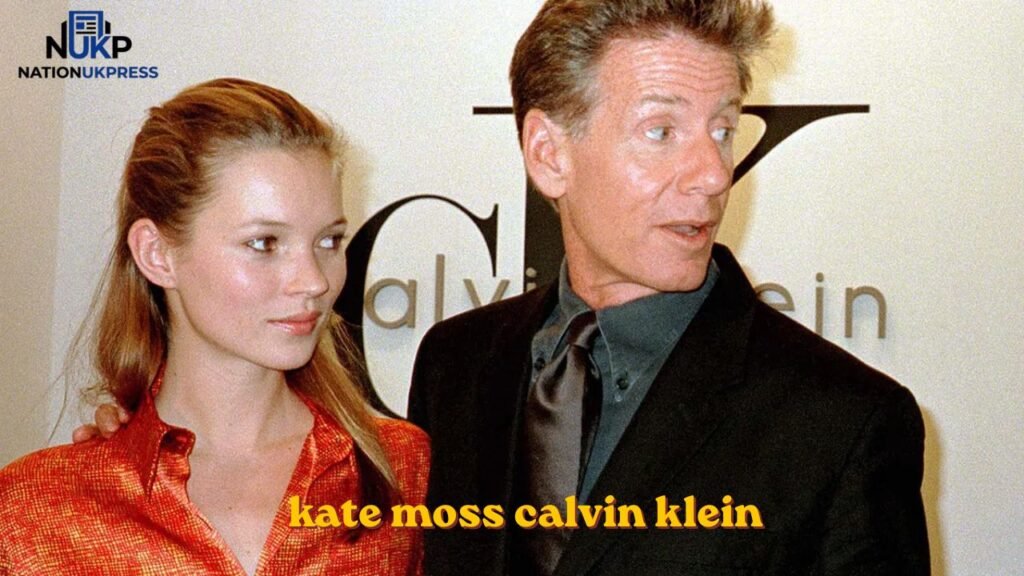

Few fashion campaigns have had the lasting cultural impact of Kate Moss Calvin Klein. Even decades after its release, people still search for the famous ads, wonder why the 1992 campaign became so influential, and revisit the controversial partnership between Kate Moss and Mark Wahlberg. Whether you’re interested in fashion history, advertising, modeling, or pop culture, understanding this campaign helps explain why it continues to shape modern branding.
The Kate Moss Calvin Klein collaboration wasn’t simply about selling jeans or underwear. It introduced a completely different beauty standard, transformed minimalist advertising into a global trend, and launched one of the most recognizable fashion partnerships of the 1990s. At a time when fashion favored glamorous supermodels, Calvin Klein took a bold risk by choosing a teenage Kate Moss with a fresh, understated look.
This guide explores the history behind the campaign, the famous 1992 advertisements, the dynamic between Kate Moss and Mark Wahlberg, why the ads sparked controversy, and how their influence can still be seen in fashion marketing today.
Who Is Kate Moss?
Kate Moss is one of Britain’s most influential fashion models. Discovered at the age of 14, she quickly became known for her distinctive look, standing apart from the tall, glamorous supermodels who dominated runways during the late 1980s.
Instead of dramatic makeup and luxury styling, Moss represented something different:
- Natural beauty
- Minimal makeup
- Slim silhouette
- Casual confidence
- Youthful simplicity
These qualities made her the perfect fit for Calvin Klein’s minimalist brand identity.
The Beginning of Kate Moss and Calvin Klein
The partnership began in the early 1990s when Calvin Klein was redefining fashion advertising.
Rather than showcasing luxury lifestyles, the brand focused on authenticity and simplicity.
Kate Moss perfectly represented this vision.
Instead of appearing unreachable or glamorous, she looked relatable while maintaining an unmistakable fashion presence.
This approach felt revolutionary at the time.
Kate Moss Calvin Klein 1992: Why It Became Historic
The 1992 Kate Moss Calvin Klein campaign remains one of the most recognizable fashion advertisements ever produced.
It featured:
- Calvin Klein underwear
- Classic denim
- Black-and-white photography
- Minimal styling
- Simple backgrounds
- Honest body language
The campaign immediately stood out because it looked completely different from other luxury fashion advertisements.
While competitors emphasized glamour and extravagance, Calvin Klein embraced restraint.
The result was timeless.
What Made the 1992 Campaign Different?
Several creative choices helped the campaign become iconic.
1. Simplicity
No elaborate sets.
No expensive-looking locations.
No complicated storytelling.
The clothes remained the focus.
2. Authentic Expression
Kate Moss rarely smiled dramatically.
Instead, the campaign relied on subtle emotion.
That understated confidence became part of the Calvin Klein identity.
3. Minimal Styling
Natural hair.
Light makeup.
Clean photography.
Everything reflected the brand’s minimalist philosophy.
Mark Wahlberg and Kate Moss Calvin Klein Campaign
One of the biggest reasons people still search for the campaign today is the pairing of Mark Wahlberg and Kate Moss.
At the time:
- Mark Wahlberg was transitioning from music into acting.
- Kate Moss was becoming fashion’s newest star.
Together they represented confidence, youth, and attitude.
The chemistry between them made the advertisements unforgettable.
Why Were They Chosen Together?
Calvin Klein wanted contrast.
Mark Wahlberg projected:
- Strength
- Athleticism
- Confidence
Kate Moss represented:
- Softness
- Simplicity
- Quiet confidence
The visual contrast created powerful advertising without requiring elaborate concepts.
Kate Moss and Mark Wahlberg: Behind the Scenes
Years later, both stars spoke publicly about the experience.
Kate Moss has shared that she felt nervous during parts of the campaign because she was still very young and new to major advertising shoots.
Mark Wahlberg later reflected on his energetic personality during the campaign, acknowledging that his behavior could feel overwhelming.
These honest reflections have added another layer to the campaign’s legacy, showing that iconic photographs often come from challenging experiences rather than effortless moments.
Why the Campaign Was Controversial
Not everyone praised the advertisements.
Critics argued that:
- Kate Moss looked unusually young.
- The campaign challenged traditional beauty standards.
- The advertising felt provocative.
- The styling blurred lines between fashion and vulnerability.
Supporters disagreed.
They believed the campaign celebrated authenticity instead of artificial glamour.
This debate helped generate enormous publicity.
How the Campaign Changed Fashion Advertising
Fashion advertising after 1992 looked noticeably different.
Many brands adopted:
- Cleaner photography
- Natural lighting
- Minimal makeup
- Relaxed poses
- Everyday settings
The influence extended beyond Calvin Klein.
Entire fashion magazines gradually embraced minimalist editorial styles.
The Rise of “Heroin Chic”
One of the most discussed aspects of Kate Moss’s early career is her association with the term “heroin chic.”
The phrase described fashion imagery featuring:
- Pale skin
- Thin body types
- Minimal expression
- Casual styling
Although Kate Moss became strongly associated with this aesthetic, the trend reflected a broader movement across the fashion industry rather than her alone. Over time, fashion shifted toward promoting a wider variety of body types and beauty standards.
Calvin Klein’s Advertising Philosophy
The campaign worked because it matched Calvin Klein’s overall philosophy.
Key principles included:
- Less is more
- Let products speak for themselves
- Focus on emotion instead of luxury
- Build recognizable visual identity
- Create memorable simplicity
Many modern brands continue to follow these ideas.
Why the Ads Still Feel Modern
One remarkable aspect of the campaign is that it doesn’t feel outdated.
Several reasons explain this.
Timeless Photography
Black-and-white imagery avoids trends tied to specific decades.
Simple Fashion
Classic denim and underwear never truly go out of style.
Clean Design
Minimal backgrounds prevent visual clutter.
Because of these choices, advertisements created over thirty years ago still appear contemporary.
Unique Insight #1: The Campaign Succeeded Because It Left Space for the Viewer
Many famous advertisements try to explain everything.
The Kate Moss Calvin Klein campaign did the opposite.
Instead of telling viewers what to think, it relied on silence, expression, and body language. This invited audiences to interpret the mood themselves, creating a stronger emotional connection than heavily scripted campaigns.
Modern luxury advertising continues to use this psychological principle.
Unique Insight #2: It Changed Casting More Than Clothing
Many people believe the campaign’s biggest contribution was selling Calvin Klein underwear.
Its greater influence was actually on model casting.
Before Kate Moss, fashion agencies often prioritized height, glamour, and traditional supermodel proportions.
After her success, agencies became more willing to sign models with unconventional looks, opening the door for a broader range of faces in fashion.
Unique Insight #3: The Campaign Became a Branding Blueprint
Perhaps the most overlooked achievement is that Calvin Klein created a repeatable visual language.
Even today, new Calvin Klein campaigns often include:
- Minimal backgrounds
- Strong eye contact
- Natural styling
- Black-and-white photography
- Simple typography
Instead of copying one advertisement, the company built a recognizable identity that has lasted for decades.
Comparing the 1992 Campaign to Modern Fashion Advertising
| 1992 Calvin Klein | Modern Campaigns |
|---|---|
| Minimal editing | Advanced digital retouching |
| Simple studio backgrounds | Creative locations and CGI |
| Natural poses | More stylized concepts |
| Black-and-white focus | Mixed color palettes |
| Few visual distractions | Larger storytelling campaigns |
Despite technological advances, many luxury brands still return to minimalist concepts because they remain effective.
Practical Lessons for Fashion Brands
The campaign offers valuable marketing lessons beyond fashion.
Focus on a Clear Identity
Consistency creates recognition.
Simplicity Builds Trust
Less visual clutter often makes products feel more premium.
Authenticity Lasts Longer
Campaigns built around genuine emotion often age better than trend-driven advertising.
Strong Branding Beats Complexity
Consumers remember recognizable styles more than complicated concepts.
Common Misconceptions
“Kate Moss became famous only because of Calvin Klein.”
Not entirely.
The campaign accelerated her career, but her long-term success came from decades of work with leading designers and magazines.
“The campaign was universally loved.”
It wasn’t.
The advertisements generated both praise and criticism.
That conversation contributed to their cultural significance.
“Mark Wahlberg was already a major movie star.”
At the time of the campaign, Wahlberg was primarily known through his music career and modeling work. His Hollywood career expanded afterward.
Cultural Legacy
More than thirty years later, the campaign continues to appear in:
- Fashion history books
- Marketing case studies
- University advertising courses
- Pop culture documentaries
- Brand strategy discussions
Very few fashion advertisements maintain this level of relevance across generations.
Why People Still Search for Kate Moss Calvin Klein
Search interest remains strong because people want to understand:
- Why the ads became famous
- What happened during the photoshoot
- The relationship between Mark Wahlberg and Kate Moss
- Why the campaign remains controversial
- How it changed fashion forever
Its enduring popularity reflects its status as a landmark moment in advertising rather than just a successful clothing campaign.
FAQ
Why is the Kate Moss Calvin Klein ad so famous?
The campaign became famous because it introduced a minimalist style that challenged traditional fashion advertising. Its simple visuals, memorable pairing of Kate Moss and Mark Wahlberg, and cultural controversy made it one of the defining campaigns of the 1990s. It also helped establish a new direction for fashion marketing.
What happened in the Kate Moss Calvin Klein 1992 campaign?
The 1992 campaign featured Kate Moss and Mark Wahlberg modeling Calvin Klein underwear and denim in black-and-white photographs. The advertisements emphasized simplicity, natural styling, and emotional expression rather than elaborate fashion settings. They quickly became iconic and influenced advertising worldwide.
Did Kate Moss and Mark Wahlberg get along during the Calvin Klein campaign?
Years after the campaign, both spoke openly about the experience. Kate Moss has said she felt intimidated during parts of the shoot because she was still young and relatively new to the industry. Mark Wahlberg later acknowledged that his behavior at the time could have been intense, offering a more reflective perspective on their collaboration.
Why was the Calvin Klein campaign controversial?
Critics questioned the youthful appearance of Kate Moss, the intimate posing, and the campaign’s overall aesthetic. Others believed it represented a fresh and authentic alternative to glamorous fashion advertising. The differing opinions generated widespread public discussion and increased the campaign’s visibility.
How did the Kate Moss Calvin Klein campaign influence fashion?
The campaign popularized minimalist photography, natural styling, and understated branding. It also encouraged the fashion industry to embrace different model looks and demonstrated that simplicity could create powerful advertising. Many modern campaigns still draw inspiration from its visual approach.
Conclusion
The Kate Moss Calvin Klein campaign remains one of fashion’s defining moments because it transformed far more than a single brand. It reshaped advertising aesthetics, challenged established beauty standards, and proved that simplicity could be more memorable than extravagance. The collaboration between Kate Moss and Mark Wahlberg continues to attract attention not only for its striking imagery but also for the conversations it sparked about fashion, culture, and branding.
More than three decades later, its influence is still visible in modern campaigns that favor authenticity, clean design, and emotional storytelling. Its lasting relevance is a reminder that truly iconic advertising doesn’t just reflect its era—it helps define what comes next.