
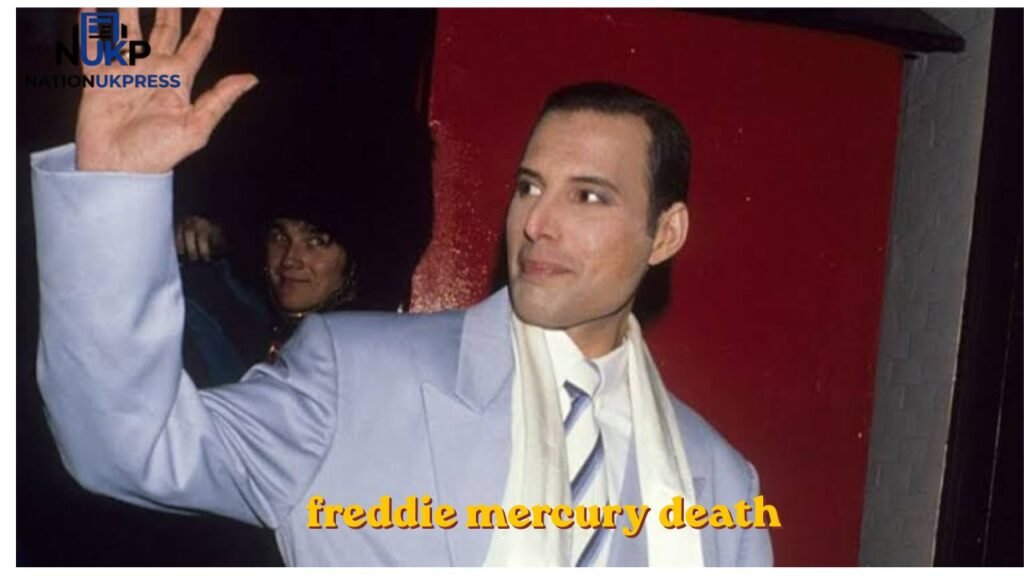

More than three decades after Freddie Mercury death, people continue searching for answers about what happened, what caused his illness, how old he was when he died, and how his final days unfolded. While countless articles focus only on dates and headlines, they often overlook the human story behind one of music’s greatest voices.
Freddie Mercury wasn’t just the charismatic frontman of Queen—he was an artist who transformed rock music through unforgettable performances, fearless creativity, and extraordinary vocal ability. His death in 1991 marked not only the loss of a legendary musician but also a turning point in global awareness about HIV/AIDS.
This guide explains the facts surrounding Freddie Mercury’s death, separates myths from reality, and explores why his legacy continues to inspire millions. You’ll learn about his medical condition, his final years, the role of Jim Hutton during his illness, common misconceptions surrounding his deathbed, and the lasting impact his story has had on music and public health.
Who Was Freddie Mercury?
Freddie Mercury was born Farrokh Bulsara on September 5, 1946, in Zanzibar. After moving to England with his family, he eventually became the lead singer of Queen.
His career included iconic songs such as:
- Bohemian Rhapsody
- We Will Rock You
- Somebody to Love
- Don’t Stop Me Now
- We Are the Champions
His theatrical performances and remarkable vocal range helped redefine what a rock frontman could be.
Freddie Mercury Death: Quick Facts
| Fact | Information |
|---|---|
| Full Name | Farrokh Bulsara |
| Date of Death | November 24, 1991 |
| Age at Death | 45 years old |
| Place of Death | Kensington, London |
| Cause of Death | Bronchial pneumonia resulting from AIDS |
| Occupation | Singer, songwriter, producer |
Freddie Mercury Death Cause Explained
The official Freddie Mercury death cause was:
Bronchial pneumonia caused by AIDS-related complications.
This distinction is important.
Freddie did not die directly from HIV itself.
Instead:
- He contracted HIV years earlier.
- HIV weakened his immune system.
- The infection progressed to AIDS.
- His body could no longer fight pneumonia.
This sequence was tragically common before modern antiretroviral therapy became widely available.
Understanding HIV and AIDS
Many people still confuse HIV with AIDS.
HIV is a virus.
AIDS is the advanced stage of untreated HIV infection when the immune system becomes severely damaged.
During the late 1980s and early 1990s, treatment options were extremely limited compared to today.
Today, many people living with HIV enjoy long, healthy lives thanks to early diagnosis and effective medication—something unfortunately unavailable during Freddie Mercury’s illness.
How Old Was Freddie Mercury When He Died?
One of the most searched questions is Freddie Mercury death age.
Freddie Mercury died at:
45 years old
Although relatively young, he had already accomplished more than many artists achieve in an entire lifetime.
His influence continues decades later through:
- Queen’s enduring popularity
- New generations discovering his music
- Films and documentaries
- Continued charitable work supporting HIV/AIDS awareness
When Was Freddie Mercury Diagnosed?
Although there has never been complete public confirmation from Freddie himself regarding the exact timing, many biographies suggest he learned he was HIV-positive in the mid-1980s.
Unlike many celebrities today, Freddie chose to keep his diagnosis private.
Only a very small circle knew the truth.
This included:
- His closest friends
- Band members
- Long-time personal assistant Peter Freestone
- Jim Hutton
His decision reflected both his deeply private personality and the intense stigma surrounding HIV/AIDS during that era.
Why Did Freddie Keep His Illness Secret?
To understand Freddie’s choice, it’s important to consider the social climate.
In the 1980s:
- HIV was poorly understood.
- Many people feared casual transmission.
- Patients often faced discrimination.
- Media coverage was frequently sensationalized.
Rather than making his illness public, Freddie continued recording music for as long as physically possible.
His focus remained on creating art—not public sympathy.
Freddie Mercury’s Final Years
By the late 1980s, Freddie appeared less frequently in public.
Despite declining health, Queen continued recording albums including:
- The Miracle
- Innuendo
Many of the emotional songs recorded during this period now carry additional meaning for fans.
One example is:
The Show Must Go On
Although Brian May largely wrote the lyrics, the song reflected Freddie’s determination to keep performing despite serious illness.
Band members later recalled that Freddie insisted on recording powerful vocals even when physically exhausted.
Death Bed Freddie Mercury: Separating Fact From Myth
Searches for death bed Freddie Mercury death have generated countless misleading stories online.
Here’s what is actually known.
Confirmed Facts
- Freddie spent his final days at his London home.
- He received professional medical care.
- Close friends remained nearby.
- Jim Hutton stayed with him.
- His family visited regularly.
Common Myths
Myth 1: He gave a dramatic final interview.
False.
Freddie made almost no public appearances during his final illness.
Myth 2: Secret deathbed recordings exist.
No credible evidence supports this claim.
Myth 3: He revealed hidden secrets before dying.
Again, there is no verified evidence.
Most stories circulating online are exaggerated or completely fabricated.
Jim Hutton and Freddie Mercury’s Death
One of the people most closely associated with Freddie’s final years is Jim Hutton.
Jim Hutton was Freddie Mercury’s long-term partner.
The couple met in the mid-1980s and remained together until Freddie’s death.
Throughout Freddie’s illness, Jim:
- Provided emotional support
- Helped care for him
- Respected Freddie’s privacy
- Stayed by his side during the final months
After Freddie died, Jim later wrote about their life together, providing personal insight into those difficult years.
Their relationship demonstrated remarkable loyalty during a period when HIV/AIDS often left patients isolated due to widespread fear and misunderstanding.
Freddie Mercury’s Final Public Statement
One day before his death, Freddie released a public statement confirming he had AIDS.
The announcement read in part that he wished to confirm the rumors because he believed it was important for everyone to understand the truth.
Many historians believe he delayed the announcement because he wanted to protect his private life rather than create media attention.
What Happened After Freddie Mercury Died?
Freddie Mercury died on:
November 24, 1991
The news shocked fans worldwide.
Tributes poured in from:
- Musicians
- Political leaders
- Fellow entertainers
- Millions of fans
Radio stations around the world immediately began playing Queen’s music in tribute.
The Freddie Mercury Tribute Concert
In April 1992, Queen organized one of the largest tribute concerts in rock history.
The event featured artists including:
- David Bowie
- Elton John
- George Michael
- Metallica
- Guns N’ Roses
- Annie Lennox
The concert also helped launch greater international awareness of HIV/AIDS.
Freddie Mercury’s Lasting Impact on HIV Awareness
One often-overlooked aspect of Freddie’s death is its effect on public understanding of HIV/AIDS.
His passing encouraged:
- Increased public discussion
- Greater compassion for patients
- Expanded charitable fundraising
- Better education about transmission
- More investment in medical research
Many younger people today know HIV as a manageable condition because of decades of scientific progress that followed this period.
Three Lesser-Known Insights About Freddie Mercury’s Final Years
1. He Prioritized Recording Over Public Appearances
Instead of trying to preserve his public image, Freddie focused on leaving behind as much music as possible. Several songs were recorded while he was seriously ill because he believed creating music mattered more than maintaining celebrity visibility.
2. His Privacy Helped Shift Conversations Later
Some critics questioned why Freddie kept his diagnosis private. In hindsight, many historians argue that respecting his choice highlighted an important principle: serious illness should not erase a person’s right to privacy.
3. His Death Changed How Celebrities Discuss Health
Before Freddie Mercury, many public figures concealed serious illnesses. In later decades, celebrities became more open about discussing medical conditions, helping reduce stigma around diseases once considered taboo.
Common Misconceptions
“Freddie Mercury died immediately after announcing AIDS.”
False.
His announcement came only one day before his death, but he had lived with the illness for years.
“He stopped making music after becoming sick.”
False.
Some of Queen’s most respected work came during his illness.
“Modern medicine could not have helped him.”
Not necessarily.
Today’s antiretroviral therapies have transformed HIV into a manageable long-term condition for many patients. If diagnosed and treated today, the outcome might have been very different.
Why Freddie Mercury’s Legacy Endures
Freddie’s influence extends beyond music.
His story reminds people about:
- Courage during adversity
- Artistic dedication
- The importance of medical research
- Compassion toward people living with HIV
- Respecting personal privacy
New generations continue discovering Queen because great music transcends generations.
FAQ
What was Freddie Mercury’s official cause of death?
Freddie Mercury died from bronchial pneumonia caused by AIDS-related complications. HIV weakened his immune system over time, making it unable to fight the infection. This remains the official medical cause of death.
How old was Freddie Mercury when he died?
Freddie Mercury was 45 years old when he passed away on November 24, 1991. Despite his relatively short life, he left behind one of the most influential musical legacies in history.
Was Jim Hutton with Freddie Mercury before his death?
Yes. Jim Hutton, Freddie’s long-term partner, remained by his side throughout his final illness. He later shared memories of caring for Freddie during those difficult months, offering a respectful and personal perspective on their relationship.
What happened during Freddie Mercury’s final days?
Freddie spent his final days at his home in Kensington, London, surrounded by close friends, family, and medical professionals. He chose to remain private and avoided public appearances, focusing instead on comfort and spending time with loved ones.
Why did Freddie Mercury wait to announce he had AIDS?
Freddie valued his privacy throughout his life. He publicly confirmed his illness only one day before his death, largely to stop media speculation and ensure the truth came directly from him rather than through rumors.
Conclusion
Freddie Mercury’s death marked the end of an extraordinary musical career, but it also became a defining moment in the global conversation about HIV/AIDS. His official cause of death—bronchial pneumonia resulting from AIDS-related complications—reflects the medical realities of an era before today’s life-saving treatments.
Beyond the headlines, Freddie’s final years revealed remarkable resilience. He continued recording music despite declining health, chose privacy over publicity, and remained dedicated to his craft until the end. His relationship with Jim Hutton, the unwavering support of Queen, and the compassion shown by those closest to him offer a deeply human perspective on a story often reduced to simple facts.
Today, Freddie Mercury is remembered not only as one of rock’s greatest performers but also as someone whose life and legacy continue to inspire conversations about creativity, dignity, compassion, and medical progress.