
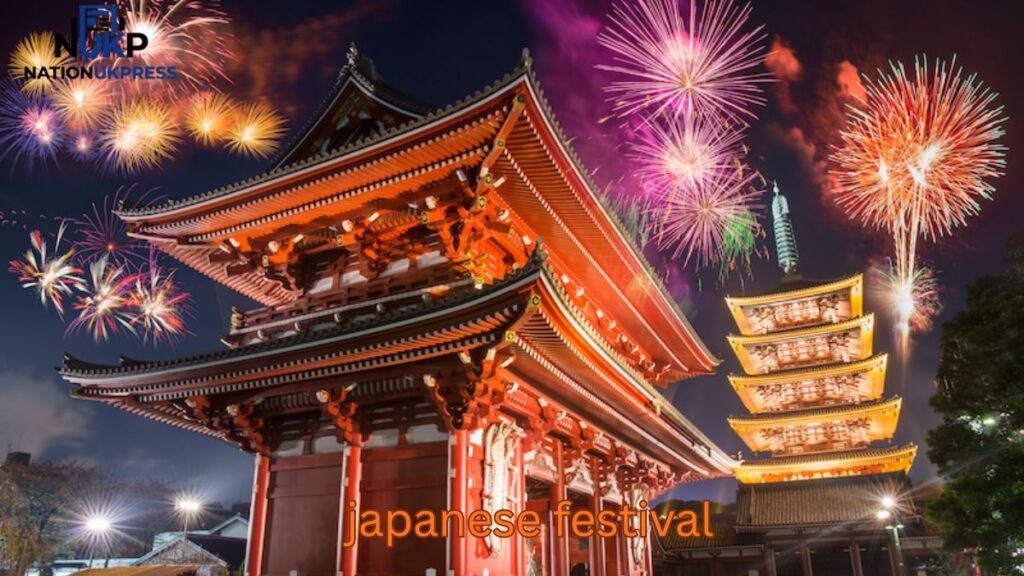

If you’ve ever searched “Japanese festival today” and ended up frustrated, you’re not alone. Most listings are vague, outdated, or don’t explain what you’ll actually experience once you arrive. You might see a name like “Japan Matsuri” or “Japanese festival Trafalgar Square” and wonder: Is it worth going? Will there be real Japanese food? Is it family-friendly? Do I need tickets?
A good Japanese festival can feel like stepping into a different world—lanterns glowing, taiko drums echoing through the crowd, the smell of grilled yakitori in the air, and people browsing anime merch beside stalls selling handcrafted ceramics. But not every event delivers that full experience. Some are food-focused, some are cultural showcases, and others are basically markets with Japanese branding.
This guide breaks down what Japanese festivals really are, where to find them in London and Manchester, what to expect at places like Trafalgar Square, what food you should actually try, and how to plan your day so you don’t waste time or money.
What Is a Japanese Festival (and Why People Love Them)?
A Japanese festival—often inspired by matsuri traditions in Japan—is a cultural event that blends:
- Traditional performances (taiko drumming, dance, music)
- Street-style food stalls
- Crafts and pop culture (anime, manga, cosplay)
- Community activities (workshops, games, calligraphy)
- Seasonal themes (spring blossoms, summer lantern vibes)
In Japan, festivals are deeply local and seasonal. In the UK, Japanese festivals are usually cultural celebrations hosted by Japanese communities, embassies, cultural groups, or event organizers.
The UK Version vs a Real Matsuri in Japan
A UK Japanese festival often feels like a cultural showcase + food fair, while a Japan-based matsuri feels like a local tradition with religious roots and a stronger neighborhood atmosphere.
But when done right, UK festivals still capture the best part: the energy, the community, and the sensory experience.
Japanese Festival London: What to Expect (and Where It Usually Happens)
London is the UK’s biggest hotspot for Japanese festivals, mostly because of the size of its Japanese community and the availability of iconic venues.
Some events are huge and public. Others are smaller but more authentic.
Common Japanese Festival Locations in London
You’ll often find events hosted in:
- Trafalgar Square
- Exhibition halls or cultural centers
- Japanese markets and pop-up spaces
- Parks during summer cultural celebrations
The Most Famous: Trafalgar Square Japanese Festival
When people search “Trafalgar Square Japanese festival”, they’re usually referring to major public matsuri-style celebrations held in central London.
These events are known for:
- Big crowds
- Main stage performances
- Food stalls and Japanese street snacks
- Cultural demonstrations like martial arts or dance
- Family-friendly atmosphere
Realistic expectation: Trafalgar Square festivals are exciting, but they’re busy and fast-paced. It’s more like a celebration showcase than a calm cultural experience.
Japanese Festival Manchester: Smaller, But Often More Relaxed
A Japanese festival Manchester event is often easier to enjoy because crowds are smaller and the atmosphere is more community-based.
Manchester festivals often focus on:
- Japanese food markets
- Anime + pop culture stalls
- Workshops (origami, calligraphy, language tasters)
- Student-led Japanese society cultural events
If you hate overcrowded events, Manchester festivals can actually be more enjoyable than London because you can take your time without constantly queueing.
Japanese Festival Today: How to Find One Without Getting Misled
This is the most common problem people face: you search “Japanese festival today” and get results from old posts or expired event pages.
The Best Way to Check If a Festival Is Happening Today
Instead of trusting random articles, look for signals that an event is currently active:
- A clear date and year listed
- Ticket availability still open (even if free entry)
- Recent posts or announcements (within the last 2–3 weeks)
- Venue confirmation (not “TBC”)
Quick Reality Check Before You Go
Ask yourself:
- Is this a full festival or just a Japanese-themed market?
- Does it have scheduled performances?
- Are food vendors confirmed or just “food available”?
- Is it indoors or outdoors (weather matters in the UK)?
A lot of “Japanese festivals” in the UK are basically pop-up markets with Japanese snacks, which can still be fun—but it’s not the same experience.
What Happens at a Japanese Festival? (Full Experience Breakdown)
Most Japanese festivals in the UK follow a familiar structure.
1. Main Stage Performances
You’ll often see:
- Taiko drumming (the crowd favorite)
- Traditional dance
- J-pop covers or Japanese bands
- Martial arts demonstrations (kendo, karate, aikido)
Tip: Arrive early if you care about stage shows. The best viewing spots disappear fast.
2. Cultural Workshops and Hands-On Activities
These are usually underrated but memorable:
- Origami
- Shodo (Japanese calligraphy)
- Kimono/yukata try-on
- Tea ceremony demonstrations
- Japanese language mini-lessons
If you’re going with kids, these areas are gold because they keep them engaged without spending much.
3. Markets: Crafts, Anime, and Unique Finds
Expect stalls selling:
- Japanese ceramics and bowls
- Handcrafted fans, chopsticks, and prints
- Anime figures and posters
- Gachapon-style collectibles
- Japanese skincare and stationery
Japanese Festival Food: What You Should Actually Try
Food is often the #1 reason people attend a Japanese festival. But here’s the truth:
Not every “Japanese” stall is truly Japanese.
Some vendors sell fusion food or simplified versions to fit UK tastes.
Still, there are plenty of amazing things to try if you know what to look for.
Must-Try Japanese Festival Foods
If you spot these, go for them:
- Takoyaki – crispy balls filled with octopus and topped with sauce
- Yakitori – grilled skewers (chicken thigh is usually the best)
- Okonomiyaki – savory pancake with cabbage and toppings
- Karaage – Japanese fried chicken, usually juicy and light
- Onigiri – rice triangles with fillings (perfect snack food)
- Ramen – worth it only if the stall has a proper setup
- Taiyaki – fish-shaped cake filled with red bean or custard
Drinks and Desserts That Feel Like Japan
- Matcha soft serve
- Melon soda
- Ramune (the marble bottle drink)
- Mochi
- Dorayaki pancakes
One Food Mistake People Make
They buy sushi.
Not because sushi is bad—but because festival sushi is often overpriced, pre-made, and not what Japan is famous for at street festivals.
Better choice: go for grilled or freshly cooked foods instead.
Planning Your Visit: How to Enjoy a Japanese Festival Without Stress
Japanese festivals are fun, but they can become tiring quickly if you don’t plan.
What Time Should You Arrive?
- For food lovers: arrive early before queues get long
- For performances: check schedule and arrive 30–45 minutes early
- For shopping: mid-day is best (vendors are fully set up)
If you arrive too late, the best food often sells out.
What to Bring
Bring practical things that people forget:
- Cash + card (some stalls still prefer cash)
- A small tote bag (you’ll buy more than you expect)
- Wet wipes (festival food is messy)
- A power bank (your phone will die fast)
- A light jacket (even summer UK festivals get cold)
How Much Money Should You Budget?
A realistic budget for one person:
- £15–£30 for food (depending on appetite)
- £10–£50 for shopping
- £5–£15 for drinks and desserts
If you’re going with friends, it’s smart to share food. You’ll taste more without overspending.
London vs Manchester: Which Japanese Festival Is Better?
This depends on what you want.
Choose London If You Want:
- Bigger stage performances
- A “wow” crowd atmosphere
- Iconic central locations like Trafalgar Square
- More vendor variety
Choose Manchester If You Want:
- Less chaos and easier movement
- More relaxed cultural experience
- Better chances of joining workshops
- Shorter queues for food
Short version: London feels like a major celebration. Manchester feels like a community festival.
Common Mistakes People Make at Japanese Festivals
These are small mistakes, but they can ruin your experience.
1. Going Without Checking the Schedule
Many festivals have timed performances. If you arrive randomly, you might miss the best parts.
2. Buying the First Food You See
Queues trick people into thinking the first stall is the best.
Walk around once first. Compare menus. Then commit.
3. Wearing Uncomfortable Shoes
Japanese festivals often involve lots of standing. Trafalgar Square events especially can become exhausting fast.
4. Ignoring the Cultural Areas
People rush straight to food and miss tea ceremonies, martial arts demos, and calligraphy stations—which are often the most “Japan-like” part of the whole festival.
Unique Insights Most Articles Don’t Tell You
Most guides repeat the same advice. These are the details you only learn after attending a few Japanese festivals.
1. The Best Food Stalls Are Often the Least “Decorated”
The most authentic stalls often look simple—just a grill, a small menu, and a focused setup.
The flashy stalls with huge banners sometimes sell generic festival food with Japanese branding.
A good sign is a small menu. If a stall sells ramen, sushi, bubble tea, curry, and noodles all at once, it’s usually not high quality.
2. The Cultural Performances Change the Entire Mood
If you only eat and shop, the festival feels like a market.
But once you watch taiko drumming live, everything shifts—it becomes an actual event.
Plan at least one full performance block into your day.
3. Trafalgar Square Festivals Have “Hidden Quiet Spots”
Most people stand in the central area. But quieter spaces exist around the edges where you can sit, eat, and enjoy the atmosphere without feeling overwhelmed.
If you’re introverted or attending solo, this makes a big difference.
Is a Japanese Festival Good for Families and Kids?
Yes—most are family-friendly, especially daytime festivals.
Kids usually love:
- Japanese snacks and sweets
- Origami workshops
- Drumming performances
- Cute anime mascots and toys
Parents usually appreciate that the environment is generally positive and safe.
Tip for families: go earlier in the day before it gets too crowded.
Is It Worth Dressing Up (Cosplay or Yukata)?
This depends on the type of festival.
When Dressing Up Works Well
- Anime-heavy Japanese festivals
- Indoor Japanese cultural conventions
- Events with cosplay competitions
When It Might Feel Out of Place
- Formal cultural festivals with traditional performances
- Embassy-supported cultural showcases
That said, UK festivals are usually welcoming. If you want to wear a yukata-inspired outfit, do it respectfully and comfortably.
How to Choose the Right Japanese Festival for You
Not all Japanese festivals are the same. Pick based on your goal.
If You Want Food First
Look for festivals described as:
- Japanese food festival
- street food market
- Japanese market event
If You Want Culture and Tradition
Look for:
- taiko performances
- tea ceremony
- calligraphy
- martial arts demonstrations
If You Want Anime and Pop Culture
Look for:
- cosplay meetups
- anime merch stalls
- gaming zones
- manga artists or illustrators
The best festivals combine all three, but most lean heavily toward one.
FAQ: Japanese Festival Questions People Actually Ask
1. Is there a Japanese festival in London today?
Sometimes yes, but it depends on the season and venue schedule. The safest approach is checking official event pages and verifying the date and year. Many listings appear in search results long after the event has passed. If the festival has updated posts and active ticket options, it’s likely happening.
2. What is the Japanese festival in Trafalgar Square?
The Japanese festival at Trafalgar Square is usually a large public cultural celebration featuring live performances, food stalls, and Japanese cultural displays. It often includes taiko drumming, dance, martial arts demonstrations, and street food. It’s one of the most high-energy Japanese festival experiences in the UK.
3. What food should I try at a Japanese festival?
Go for foods that are cooked fresh, like takoyaki, yakitori, okonomiyaki, karaage, and taiyaki. Matcha desserts are also a highlight if you want something sweet. Sushi is common but not always the best value at festivals compared to grilled street food.
4. Are Japanese festivals in Manchester worth visiting?
Yes, especially if you prefer a calmer, more local atmosphere. Manchester festivals often feel less crowded than London and can be easier to enjoy without long queues. They’re great for trying Japanese food, joining workshops, and browsing cultural stalls.
5. Do I need tickets for a Japanese festival in the UK?
Some festivals are free entry, especially outdoor public events, while others require paid tickets if held indoors or linked to conventions. Even free festivals sometimes require registration. It’s best to check in advance because entry rules can change depending on crowd control.
6. What should I bring to a Japanese festival?
Bring a small bag, comfortable shoes, and a mix of cash and card. Wet wipes are surprisingly useful because Japanese festival food can get messy. If it’s an outdoor festival, a light jacket and power bank will save your day.
Conclusion: A Japanese Festival Is More Than Just Food
A Japanese festival isn’t just a place to grab ramen and buy anime merch—it’s a rare chance to experience Japanese culture in a lively, welcoming setting. Whether you’re attending a Japanese festival London event, exploring a Japanese festival Manchester celebration, or planning a visit to a Trafalgar Square Japanese festival, the best experience comes from doing three things: eating thoughtfully, watching at least one live performance, and slowing down enough to enjoy the atmosphere.
If you plan your timing, budget realistically, and know what food is worth trying, you’ll walk away with more than a full stomach—you’ll walk away with a genuine cultural memory.
And honestly, that’s the real reason people keep going back.