
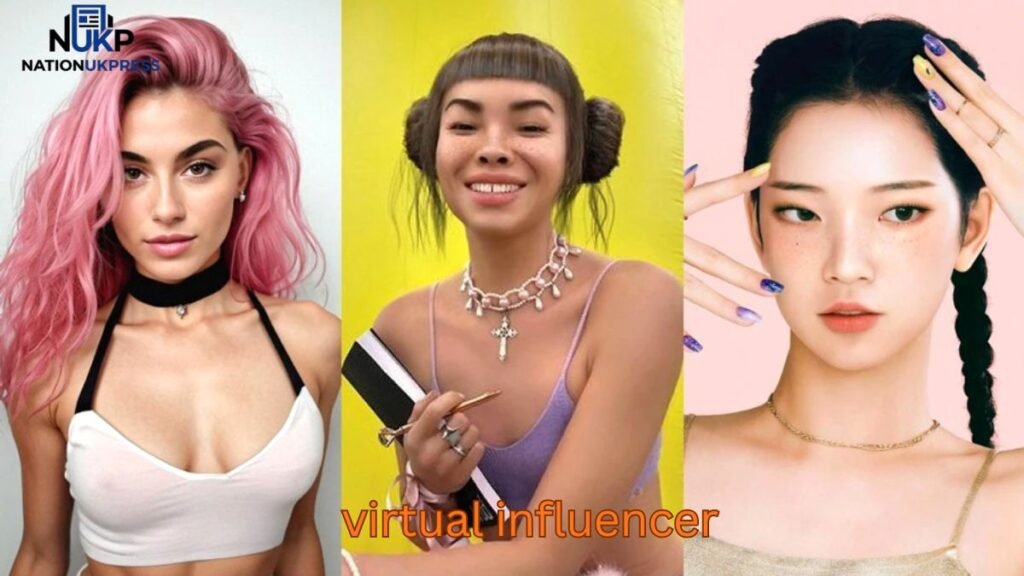

If you’ve ever scrolled Instagram and stopped on a “perfect” creator who looks almost too polished to be real… you’re not alone. Many brands and users have had the same moment of confusion: Is this a real person, or is this some kind of AI character?
That question is exactly why virtual influencer marketing has exploded in the last few years. Brands are seeing massive engagement from digital characters like Lil Miquela and Kyra virtual influencer, and many are now working with a virtual influencer marketing agency to launch campaigns that feel modern, safe, and highly controlled.
But here’s the real problem: most people still don’t understand how virtual influencers actually work, why audiences follow them, or how brands make money using them.
This article will break it all down in a practical way. You’ll learn what is a virtual influencer, how they’re built, how brands use virtual influencer marketing services, and what mistakes can ruin a campaign. If you’re a business owner, marketer, or agency, this will help you decide if virtual influencers are worth your budget.
What Is a Virtual Influencer?
A virtual influencer is a digitally created character designed to act like a real social media influencer. They post content, build a personality, collaborate with brands, and gain followers—just like human creators.
The difference is simple: they are not a real person.
Some virtual influencers are created using:
- 3D modeling (like gaming characters)
- CGI rendering
- AI-assisted face generation
- Motion capture and animation
- AI-generated voice or scripts (sometimes)
They usually have a “team” behind them, including designers, writers, marketers, and community managers.
Virtual Influencer vs AI Influencer (Important Difference)
A common misunderstanding is thinking all virtual influencers are fully AI.
In reality:
- Virtual influencers are often pre-designed characters controlled by humans.
- AI influencers may generate content, speech, and responses using automation.
Many top virtual influencers are not “thinking” on their own. They’re brand-managed characters with a storytelling strategy.
Why Virtual Influencers Are Becoming So Popular
Virtual influencers aren’t just a trend. They solve real marketing problems.
1. Brands Get Full Control
With human influencers, brands face risks like:
- sudden scandals
- controversial opinions
- unpredictable behavior
- contract disputes
With a virtual influencer, brands control:
- messaging
- appearance
- tone
- lifestyle
- posting schedule
It’s like hiring an influencer who never gets tired, never posts something risky, and never demands a last-minute budget increase.
2. They Fit the “Future Culture” Online
Gen Z and younger audiences are comfortable with digital identity.
They already spend time in:
- gaming worlds
- avatars
- virtual fashion
- AI tools
So following a virtual influencer doesn’t feel strange—it feels normal.
3. They Create Viral Curiosity
People engage because they’re curious:
- “Is she real?”
- “Who made this character?”
- “How is this created?”
That curiosity drives comments and shares, which boosts reach organically.
Lil Miquela Virtual Influencer: The Blueprint Example
If you want to understand why this industry grew, study Lil Miquela virtual influencer.
Lil Miquela is one of the most famous virtual influencers in the world. She looks like a real young model and influencer, posts lifestyle content, collaborates with brands, and has built a strong online identity.
What makes her marketing powerful isn’t just the visuals.
It’s the storytelling.
Her posts feel like:
- a real personality
- a real social circle
- a real emotional voice
That’s why she has worked with major brands and stayed relevant even as trends change.
Practical Lesson Brands Learn from Lil Miquela
A virtual influencer succeeds when:
- the character feels consistent
- the content feels like a real lifestyle
- the brand placements feel “natural”
The moment the account becomes a nonstop advertisement, audiences lose interest.
Kyra Virtual Influencer: Why Brands Love Her Style
The Kyra virtual influencer is another strong example of a digital personality built for modern branding.
Kyra’s content style is often polished, aspirational, and designed to feel “Instagram real” while still being obviously digital.
What brands like about characters like Kyra is that they can:
- shape a luxury aesthetic
- create clean product placement visuals
- run campaigns with zero real-world production issues
This is especially useful for:
- fashion
- beauty
- tech gadgets
- lifestyle brands
Kyra represents the growing trend where brands want an influencer who is always camera-ready.
How Virtual Influencer Marketing Actually Works
A lot of people assume virtual influencer marketing is just “posting a CGI photo.”
It’s more complex than that.
A proper virtual influencer campaign usually includes:
Character Development (Brand Persona Creation)
Before anything is posted, agencies define:
- voice and personality
- style guide
- target audience
- values and beliefs (carefully crafted)
- story background
This matters because audiences follow personalities, not graphics.
Content Production
The content may include:
- 3D rendered images
- AI-assisted editing
- scripted captions
- lifestyle scenes built digitally
- branded product integration
The goal is to make the content feel like a real influencer’s feed.
Community Engagement
This is one of the most overlooked parts.
Virtual influencers need:
- replies to comments
- engagement strategy
- story polls and Q&As
- audience interaction
If the influencer never interacts, the page feels fake and dead.
Virtual Influencer Marketing Services: What Agencies Actually Provide
Most brands don’t build these influencers in-house. They hire a virtual influencer marketing agency because it requires specialized creative + strategy skills.
A strong agency typically offers:
1. Virtual Influencer Creation
This includes:
- face/body design
- outfit styling
- animation style
- brand identity and persona
2. Campaign Planning & Strategy
They plan:
- posting schedule
- campaign themes
- launch strategy
- brand collaborations
3. Content Creation & Rendering
They produce:
- high-quality CGI images
- short-form animated content
- product placement scenes
- branded story sequences
4. Influencer Campaign Management
This includes:
- negotiation with brands
- contracts and licensing
- performance reporting
- audience growth strategy
5. Paid Ads + Organic Growth Support
Many agencies also run paid campaigns to scale reach and visibility.
In short, virtual influencer marketing services are not just “design work.” They’re full influencer operations.
When Should a Brand Use a Virtual Influencer?
Virtual influencers aren’t for every business. But they work extremely well in specific situations.
Best Use Cases
Fashion brands
Virtual influencers can wear digital outfits and promote collections without expensive shoots.
Beauty brands
They can show makeup looks, skincare routines, and product “transformation” visuals.
Tech brands
Perfect for futuristic branding and gadget launches.
Gaming & entertainment
Virtual personalities blend naturally into gaming culture.
Startups with limited production budget
Instead of paying for travel shoots and models, content can be produced digitally.
Real-World Scenario Example
Imagine a skincare brand launching in 5 countries.
A human influencer campaign would require:
- different creators per region
- different shoots and product deliveries
- higher costs and scheduling delays
A virtual influencer can launch globally with consistent visuals and messaging in the same week.
That speed is valuable.
Virtual Influencer vs Human Influencer: Which Performs Better?
This depends on campaign goals.
Virtual Influencers Are Better For:
- brand consistency
- futuristic aesthetic campaigns
- controlled messaging
- long-term storytelling
- scalable global campaigns
Human Influencers Are Better For:
- trust-driven product reviews
- real-life product demonstrations
- emotional authenticity
- local community influence
Smart brands often combine both.
For example:
- a virtual influencer creates hype and branding
- real influencers provide testimonials and real-life proof
This hybrid approach usually converts better.
Common Mistakes Brands Make With Virtual Influencers
Many campaigns fail because brands treat virtual influencers like robots.
Mistake #1: Making It Too “Perfect”
When every post looks like a polished advertisement, engagement drops.
People like content that feels real:
- casual moments
- funny captions
- “messy” daily life vibes
- relatable storytelling
Even virtual influencers need imperfections.
Mistake #2: No Clear Personality
If the character doesn’t stand for something, audiences don’t connect.
Successful virtual influencers feel like:
- confident
- funny
- emotional
- stylish
- opinionated (but not risky)
Mistake #3: Ignoring the Comment Section
If followers ask questions and no one replies, the illusion breaks.
Virtual influencers must feel alive.
Mistake #4: Trying to Copy Lil Miquela
Many brands attempt to recreate the same style.
But what worked for Lil Miquela was uniqueness, timing, and storytelling—not just design.
How a Virtual Influencer Marketing Agency Measures Success
If you hire an agency, don’t judge results only by likes.
A professional virtual influencer marketing agency tracks:
- engagement rate (comments matter more than likes)
- saves and shares
- audience growth
- brand mention lift
- click-through rate (CTR)
- campaign conversions
- sentiment analysis (positive vs negative comments)
Unique Insight #1 (Not Commonly Discussed)
Sentiment matters more for virtual influencers than human influencers.
Because audiences are still skeptical, the tone of comments (“this is creepy” vs “this is cool”) can predict long-term success.
Many brands ignore this and focus only on views.
How Much Does Virtual Influencer Marketing Cost?
Costs vary widely depending on quality and campaign scale.
Typical pricing depends on:
- realism level (basic vs high CGI)
- number of posts
- animation complexity
- brand exclusivity
- platform usage rights
A small campaign might cost less than hiring a celebrity influencer, but a high-end virtual influencer build can be expensive.
Rough Cost Reality
- Basic CGI influencer content: affordable for mid-level brands
- Full character + long-term campaign: premium investment
- High-quality rendering + storytelling strategy: agency-level pricing
Virtual influencers are not always cheaper.
They are often more scalable.
Unique Insight #2
Brands often underestimate the ongoing cost of managing a virtual influencer.
A virtual influencer is not a one-time design project. It’s like running a media brand that needs:
- constant content
- audience engagement
- evolving storyline
Without that, the character becomes irrelevant fast.
How to Choose the Right Virtual Influencer Marketing Services
If you’re hiring an agency, don’t get distracted by flashy visuals.
Ask these practical questions:
1. Who Owns the Character Rights?
If the agency owns the character, you may lose control later.
You should clarify:
- ownership
- licensing
- exclusivity
- long-term usage rights
2. Can They Show Real Campaign Results?
Ask for:
- engagement screenshots
- campaign analytics
- conversion reports
- audience demographic breakdown
If they only show “pretty content,” be cautious.
3. Do They Have a Storytelling Plan?
Virtual influencers win through storytelling.
A strong agency should present:
- character personality map
- content themes
- monthly narrative direction
4. How Will They Handle Community Interaction?
If they can’t manage comments and DMs properly, your influencer will feel fake.
Unique Insight #3
The best virtual influencer campaigns are built like TV shows.
They use mini story arcs, recurring characters, and ongoing “plot” moments.
Most brands don’t do this—they just post ads. That’s why many virtual influencers fail after the first hype wave.
Practical Tips to Run a High-Converting Virtual Influencer Campaign
If you want real results, follow these strategies:
Keep Content 70% Lifestyle, 30% Brand
Audiences don’t follow ads. They follow personalities.
Use Soft Product Placement
Instead of “Buy this now,” do:
- “morning routine” content
- “outfit of the day”
- “what I’m using lately”
Build a Launch Story
A successful campaign often starts with:
- character introduction
- behind-the-scenes creation
- personality reveal
- first brand collaboration
Collaborate With Real Creators
Pair virtual influencers with real influencers to build trust.
This increases:
- credibility
- engagement
- viral conversation
The Future of Virtual Influencers (What’s Coming Next)
Virtual influencers are evolving fast.
Future trends include:
- AI-powered live conversations
- interactive livestream shopping
- digital fashion wearables
- metaverse brand partnerships
- localized language versions of the same character
Brands that move early will have an advantage, but only if they build something meaningful—not just “a digital model.”
FAQ: Virtual Influencer Marketing (Real Search Questions)
What is a virtual influencer and how does it work?
A virtual influencer is a digitally created character that posts content on social media like a real influencer. They are managed by a team that controls their visuals, captions, and brand collaborations. Some use CGI and 3D modeling, while others use AI tools for faster production. They work because audiences engage with personality and storytelling, even if the character isn’t real.
Are virtual influencers better than real influencers?
Virtual influencers are better for controlled branding, global campaigns, and consistent messaging. Real influencers are better for authentic product reviews and trust-based conversions. Many brands get the best results by combining both in one campaign. The right choice depends on whether your goal is branding or direct sales.
What does a virtual influencer marketing agency do?
A virtual influencer marketing agency creates and manages virtual influencer campaigns from start to finish. This includes character design, content creation, brand storytelling, posting strategy, and performance reporting. Some agencies also handle paid ads and influencer partnerships. Essentially, they operate the virtual influencer like a real media brand.
How do brands make money using virtual influencer marketing services?
Brands make money through increased product visibility, higher engagement, and improved brand recall. Virtual influencers help create viral campaigns and scalable content that can be reused across regions. When paired with strong calls-to-action and landing pages, they can also drive conversions. The best campaigns treat virtual influencers as long-term brand assets, not short-term ads.
Why is Lil Miquela virtual influencer so famous?
Lil Miquela became famous because she combined high-quality visuals with strong storytelling and consistent branding. Her content feels like a real influencer’s lifestyle, which makes people emotionally connect. She also collaborated with major brands early, giving her credibility. She is one of the best examples of how virtual influencer identity can feel “real enough” to build loyalty.
Who is Kyra virtual influencer and why do brands use her?
Kyra is a virtual influencer known for her polished aesthetic and modern lifestyle branding. Brands use her because her visuals are clean, controlled, and perfect for fashion, beauty, and luxury campaigns. She fits the “future influencer” vibe, which appeals to younger audiences. Her content also avoids many of the risks associated with human influencer controversies.
Conclusion
Virtual influencer marketing is not just a tech gimmick—it’s a real strategy brands use to control storytelling, scale campaigns globally, and stay relevant in a digital-first world. Influencers like Lil Miquela and Kyra virtual influencer show how powerful a well-designed digital personality can be when paired with consistent content and strong branding.
But the real secret is this: virtual influencers don’t succeed because they look realistic. They succeed because they feel like a character people want to follow.
If you’re considering working with a virtual influencer marketing agency, focus less on the graphics and more on the strategy: personality, storytelling, community engagement, and long-term brand value.
Done right, virtual influencer campaigns can become one of the strongest marketing assets your brand owns.