

Few social media posts in recent British history have generated as much controversy as the case of Lucy Connolly. For many people searching terms like “Lucy Connolly tweet,” “what did Lucy Connolly say,” or “Lucy Connolly government petition,” the challenge is separating facts from political arguments and social media opinions.
The case sits at the center of several important debates: freedom of speech, online responsibility, hate speech laws, sentencing practices, and the role of social media during periods of public unrest. Supporters argue that Connolly received an excessively harsh punishment for a post she later deleted. Critics argue that her message crossed the line from opinion into incitement and carried serious risks during a tense national moment.
This article explains exactly what happened, what Lucy Connolly tweeted, why she was prosecuted, how the release petitions emerged, and why the case continues to spark discussion across the United Kingdom. Rather than focusing on political talking points, we’ll examine the facts, legal context, and broader lessons that make this case significant.
Who Is Lucy Connolly?
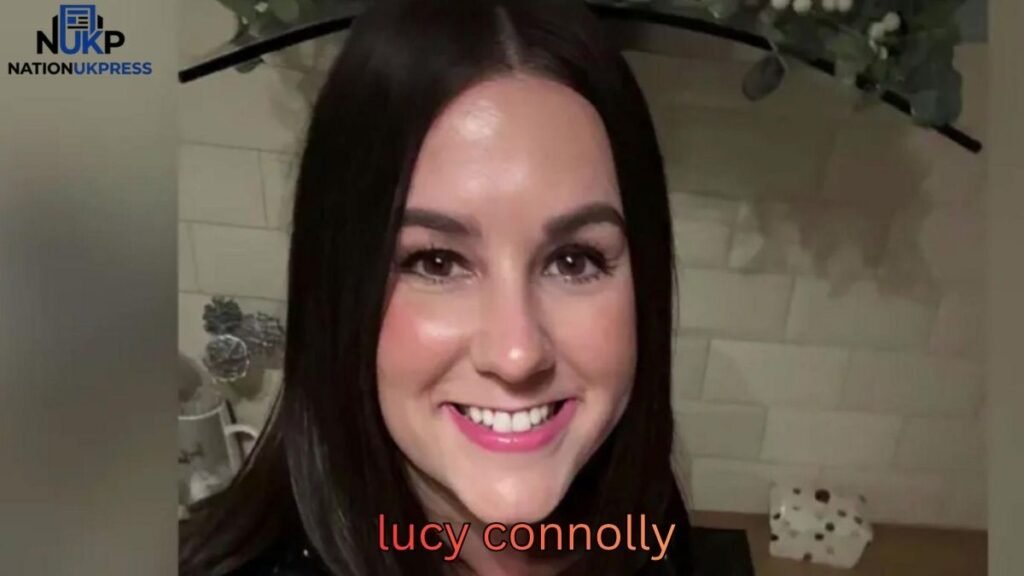
Lucy Connolly is a former childminder from Northampton and the wife of a former Conservative councillor.
Her name became widely known following a social media post made after the 2024 Southport killings. Authorities later prosecuted her for stirring up racial hatred, leading to a prison sentence that became the focus of national debate.
The case attracted attention from politicians, legal commentators, free speech advocates, journalists, and members of the public who disagreed sharply about whether the punishment was appropriate.
What Did Lucy Connolly Tweet?
One of the most searched questions is:
What did Lucy Connolly say?
Following the Southport attacks, Connolly posted a message on X (formerly Twitter) that called for mass deportations and included language about setting fire to hotels housing asylum seekers. The post was widely shared before being deleted. Authorities later argued that the message amounted to incitement of racial hatred.
The tweet reportedly gained hundreds of thousands of views within a short period before removal. Prosecutors considered both the content of the message and the wider social climate at the time when deciding to pursue charges.
Why was the tweet controversial?
The controversy wasn’t simply about offensive language.
Authorities argued that:
- The message targeted asylum seekers.
- It appeared during a period of heightened tension.
- It contained references to violence.
- The potential audience reach was significant.
Supporters of Connolly, meanwhile, argued that:
- The tweet was deleted.
- She later expressed regret.
- The punishment was disproportionate compared with some other criminal cases.
These competing viewpoints helped transform the case into a broader national debate.
Why Was Lucy Connolly Sent to Prison?
The legal issue
Many people mistakenly assume the case was solely about expressing an unpopular opinion online.
In reality, prosecutors focused on laws relating to stirring up racial hatred and incitement. According to court proceedings, Connolly pleaded guilty to publishing threatening or abusive material that was considered capable of encouraging racial hatred.
The sentence
Connolly received a prison sentence of 31 months. The sentence immediately became controversial because some observers believed it was unusually severe for a social media post. Others argued that courts needed to send a strong message regarding online incitement.
Her later appeal against the sentence was unsuccessful. Judges rejected arguments that the punishment should be reduced.
Understanding the Government Petition and Release Petition
What is the Lucy Connolly government petition?
Searches for “Lucy Connolly government petition” typically refer to campaigns calling for a review of her imprisonment and broader sentencing policies for social media offences.
Several campaigners argued that non-violent online speech should not automatically result in lengthy prison terms. These petitions sought either Connolly’s release or reforms to how such offences are punished.
Why did the petition gain attention?
Petitions supporting Connolly attracted significant public participation.
Supporters argued:
- The sentence was excessive.
- Free speech protections were being weakened.
- Similar cases had received different outcomes.
Opponents argued:
- The issue was not free speech but incitement.
- Online messages can contribute to real-world violence.
- Courts acted within existing legal frameworks.
The debate became less about one individual and more about where society should draw the line between speech and unlawful incitement.
Was Lucy Connolly Released?
Yes.
After serving part of her sentence, Connolly was released from prison under standard release arrangements that applied to her case. Reports noted that she had completed the required custodial portion of her sentence before being released on licence.
Her release reignited public discussion because supporters viewed it as overdue, while critics maintained that the original conviction remained justified.
Why This Case Became Bigger Than One Tweet
Many news stories focus only on the tweet itself. However, the larger significance comes from what the case represents.
1. The power of context
A statement made during a calm news cycle may be treated differently from a statement made during social unrest.
One unique insight often missed in coverage is that courts increasingly examine not only the words themselves but also the surrounding circumstances. Timing can dramatically influence how a message is interpreted.
2. Audience reach matters
Another overlooked factor is visibility.
Historically, a heated comment might have been heard by a few people. Today, social media allows a post to reach hundreds of thousands within hours.
That scale affects how authorities evaluate potential harm.
3. Online speech is increasingly treated as real-world conduct
A third insight rarely emphasized is the shift in legal thinking.
Courts are becoming less likely to view online communication as separate from offline consequences. In modern legal analysis, a post capable of influencing public behavior may be treated similarly to statements made in physical public spaces.
These developments help explain why cases involving social media now receive far greater scrutiny than they did a decade ago.
Common Misunderstandings About the Case
“She was jailed simply for having an opinion.”
The courts did not characterize the case as punishment for holding a political view. The conviction related to the content and nature of the message, which prosecutors argued crossed legal boundaries.
“Deleting a tweet removes legal liability.”
Deleting content may reduce ongoing visibility, but it does not automatically eliminate legal consequences if authorities believe an offence occurred before deletion.
“Free speech and hate speech laws cannot coexist.”
Most democratic legal systems attempt to balance both principles. The disagreement usually concerns where the boundary should be placed, not whether either principle exists.
Lessons for Social Media Users
Regardless of one’s opinion on the case, several practical lessons emerge.
Think before posting during emotional moments
Many controversial online cases begin when individuals react emotionally to breaking news.
Assume posts can be archived
Deleting a message does not guarantee it disappears.
Consider audience interpretation
Intent and interpretation are not always viewed the same way by courts, employers, or the public.
Understand platform reach
A post shared with followers can quickly spread far beyond the intended audience.
The Ongoing Free Speech Debate
The Lucy Connolly case continues to be cited in discussions about:
- Freedom of expression
- Online hate speech laws
- Sentencing reform
- Social media regulation
- Political neutrality in law enforcement
Supporters view the case as evidence that online speech laws have become too restrictive.
Critics view it as evidence that authorities must act when online messages appear to encourage hostility or violence.
Because both sides frame the issue differently, the debate is unlikely to disappear anytime soon.
FAQ
What did Lucy Connolly tweet?
Lucy Connolly posted a message on X after the Southport attacks that called for mass deportations and included language about setting fire to hotels housing asylum seekers. The tweet was later deleted but became the basis for criminal proceedings.
Why was Lucy Connolly jailed?
She pleaded guilty to an offence related to stirring up racial hatred through online content. Prosecutors argued the post was threatening and capable of encouraging racial hatred.
What is the Lucy Connolly release petition?
The release petition was a public campaign calling for Connolly’s release and, in some versions, broader reform of sentencing practices for social media offences. It attracted substantial public support.
Did Lucy Connolly appeal her sentence?
Yes. Connolly challenged the length of her sentence through the appeal process. The Court of Appeal rejected the challenge and upheld the original sentence.
Has Lucy Connolly been released from prison?
Yes. After serving the custodial portion required under her sentence, she was released on licence and returned to the community under supervision conditions.
Why is the case still discussed today?
The case touches on broader questions involving free speech, online responsibility, hate speech legislation, sentencing consistency, and the role of social media in public discourse. These issues remain politically and legally significant.
Conclusion
The Lucy Connolly case is about far more than a single social media post. It has become a focal point for wider discussions about the limits of free speech, the responsibilities that come with online platforms, and how courts should respond when digital communication is alleged to encourage hatred or violence.
Whether someone believes the sentence was justified or excessive, the case demonstrates a reality of modern life: online statements can carry serious legal and social consequences. It also highlights how difficult it can be for societies to balance freedom of expression with public safety in an age where a single post can reach millions within hours.
Understanding the facts, rather than relying solely on political narratives, is essential to understanding why the Lucy Connolly case continues to generate attention.