
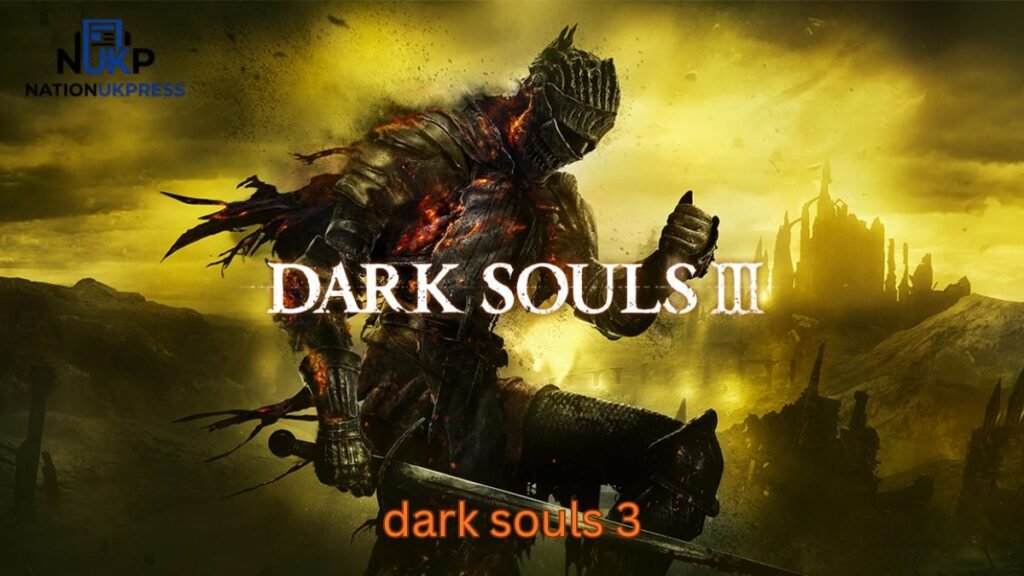

If you’re struggling through Dark Souls 3 strength builds, you’re not alone. Many players jump into Dark Souls III expecting slow, heavy weapons to dominate the game—only to get punished by fast bosses, tight stamina windows, and unforgiving timing. The truth is, strength builds are incredibly powerful in Dark Souls 3, but only when you understand how poise, weapon scaling, and spacing actually work together.
This guide is designed to solve exactly that problem: how to make strength builds feel strong instead of clunky. We’ll break down the best strength weapons in Dark Souls 3, how experienced players actually approach bosses like the Abyss Watchers, and what a practical walkthrough route looks like when you’re committing to heavy weapons from early game to late game.
Instead of vague advice like “git gud” or “just use Vordt’s hammer,” you’ll get real, practical systems—how to stagger enemies reliably, when to two-hand versus one-hand, and why some weapons feel secretly overpowered even if their damage looks average on paper.
Why Dark Souls 3 Still Feels So Punishing
At its core, Dark Souls 3 is not just about damage—it’s about tempo control. Many new strength players misunderstand this and assume heavy weapons mean slow, safe trades. In reality, the game rewards timing windows more than raw stats.
Strength builds thrive when you understand three core systems:
- Hyperarmor timing: Your attack can tank hits, but only during specific frames
- Stamina discipline: One extra swing often gets you killed
- Enemy aggression cycles: Bosses punish predictable heavy swings
What makes strength builds tricky—but rewarding—is that they force you to commit. Unlike dex builds that poke and roll away, strength builds demand you control space and force stagger states.
A subtle but important insight many players miss: not all “heavy” weapons actually stagger better. Some medium-weight weapons outperform ultra-greatswords in PvE because their swing speed aligns better with enemy recovery frames.
Best Strength Weapons in Dark Souls 3
Choosing the right weapon defines your entire experience. In strength builds, damage is important—but stagger potential and move set efficiency matter more.
Great Club – The Early Game Monster
The Great Club is one of the most reliable strength weapons because:
- High base damage early
- Excellent stagger potential
- Simple, effective move set
What most guides don’t mention: its true strength is consistency. It doesn’t rely on buffs or complex setups—it just works.
Vordt’s Great Hammer – Frost Pressure King
A favorite among experienced players, especially for PvE.
- Frostbite buildup breaks boss rhythm
- Insane early-mid game scaling
- Great for punishing aggressive enemies
The hidden advantage is frost procs resetting enemy stamina recovery behavior, giving you unexpected control windows.
Exile Greatsword – Fast Strength Hybrid
This weapon feels like a dex-strength crossover:
- Faster than most ultra weapons
- High bleed potential
- Strong rolling attack pressure
Many Reddit players rank this as “secretly S-tier” because it doesn’t feel like a typical slow strength weapon.
Ledo’s Great Hammer – Late Game Destroyer
- One of the highest AR weapons in the game
- Devastating weapon art
- Extremely high poise break potential
However, it’s stamina-hungry, meaning bad positioning gets punished hard.
Strength Build Insights Most Players Miss
This is where experience really matters. Strength builds are not just about picking big weapons—they’re about optimizing invisible mechanics.
1. Poise Breakpoints Are More Important Than Damage
A major hidden mechanic: enemies don’t just take damage—they enter stagger thresholds based on poise damage. Two weapons with similar damage can behave completely differently.
A practical rule:
- Fast strength weapons = more consistent stagger control
- Ultra weapons = higher burst but risk missing stagger windows
2. Two-Handing Isn’t Always Better
Most players assume two-handing is always optimal. But experienced players swap constantly:
- One-hand + shield = safer boss learning phase
- Two-hand = stagger burst phase
- Swap mid-fight depending on stamina
3. The “One Swing Rule”
One of the most important discipline habits:
Never commit to more swings than your stamina recovery allows to roll away safely.
This alone dramatically increases survivability in boss fights like Abyss Watchers.
Bosses and How Strength Builds Handle Them
Abyss Watchers – The Rhythm Boss
The Abyss Watchers are where many strength players struggle.
Key behavior pattern:
- First phase: aggressive duelist-style AI
- Second phase: chaotic multi-target pressure
The best strategy is not aggression—it’s punishment timing.
Strength weapons excel here because:
- Charged attacks interrupt their combos
- Backstabs are easier after their dash recovery
- Heavy stagger resets their momentum
A lesser-known trick: if you bait the leap attack and roll slightly late, you can consistently land a full charged heavy attack before they recover.
Other Major Boss Patterns
- Vordt of the Boreal Valley: Weak to stamina pressure, not raw damage
- Pontiff Sulyvahn: Punishes slow recovery; patience > aggression
- Nameless King: Requires spacing control, not trading
Strength builds succeed when you stop thinking “hit hard” and start thinking “force interruption.”
Practical Walkthrough Approach for Strength Builds
A strength-focused walkthrough is very different from standard progression.
Early Game (High Wall → Undead Settlement)
- Grab raw damage weapon early (Great Club or similar)
- Focus on Vitality + Strength scaling
- Avoid over-upgrading multiple weapons
Mid Game (Cathedral → Irithyll)
- Transition into specialized weapons (Exile GS, Vordt hammer)
- Start learning boss punish windows instead of brute forcing
Late Game (Lothric Castle → Endgame)
- Optimize around boss-specific weapons
- Invest heavily in stamina management
- Use weapon arts strategically, not constantly
A key insight: many players over-upgrade early weapons and regret it. Strength builds reward commitment to one main weapon path.
What Reddit Players Get Right (and Wrong)
The community discussion around strength builds is actually surprisingly accurate—but also inconsistent.
What they get right:
- Great Club and Exile Greatsword are top-tier PvE weapons
- Strength builds are beginner-friendly after learning stamina control
- Hyperarmor timing is underrated
What they get wrong:
- “Strength is easy mode” (it’s actually timing-heavy)
- Ultra weapons are always best (they are not in every boss fight)
- You don’t need shields (you often do during learning phases)
A subtle community truth: the strongest strength players don’t always use the biggest weapons—they use the most appropriate ones for each encounter.
Common Mistakes Strength Players Make
- Overcommitting to attack animations
- Ignoring stamina recovery timing
- Using ultra weapons in every situation
- Not adapting weapon choice per boss
- Treating poise as invincibility (it’s not)
The biggest issue is impatience. Strength builds punish impatience more than any other playstyle.
FAQ
What is the best strength weapon in Dark Souls 3?
There isn’t a single best weapon, but Great Club, Exile Greatsword, and Vordt’s Great Hammer are among the most effective due to their balance of damage and stagger potential.
Is a strength build good for beginners?
Yes, but only if you learn stamina management early. Strength builds are forgiving in damage but punishing in timing mistakes.
How do I beat Abyss Watchers with a strength build?
Focus on baiting attacks and punishing recovery windows instead of trading hits. Charged heavy attacks after their dash are highly effective.
Are ultra greatswords worth using?
Yes, but situationally. They excel in PvE stagger fights but struggle against fast, aggressive bosses.
What stats should I prioritize for strength builds?
Strength and Endurance first, then Vitality. Vigor is also important for survivability in later bosses.
Conclusion
Strength builds in Dark Souls III are often misunderstood as simple “hit hard” playstyles, but they’re actually about rhythm control, stamina discipline, and enemy interruption. Once you understand how stagger windows, hyperarmor timing, and weapon selection interact, the entire game becomes more controlled and predictable.
The key takeaway is simple: strength builds don’t make the game easier—they make it more decisive. Every swing matters, every stamina bar counts, and every boss becomes a test of timing rather than brute force.
If you approach it with patience and adaptation, strength builds can feel like one of the most satisfying ways to experience the game.